A Lullaby of Comfort and Culture
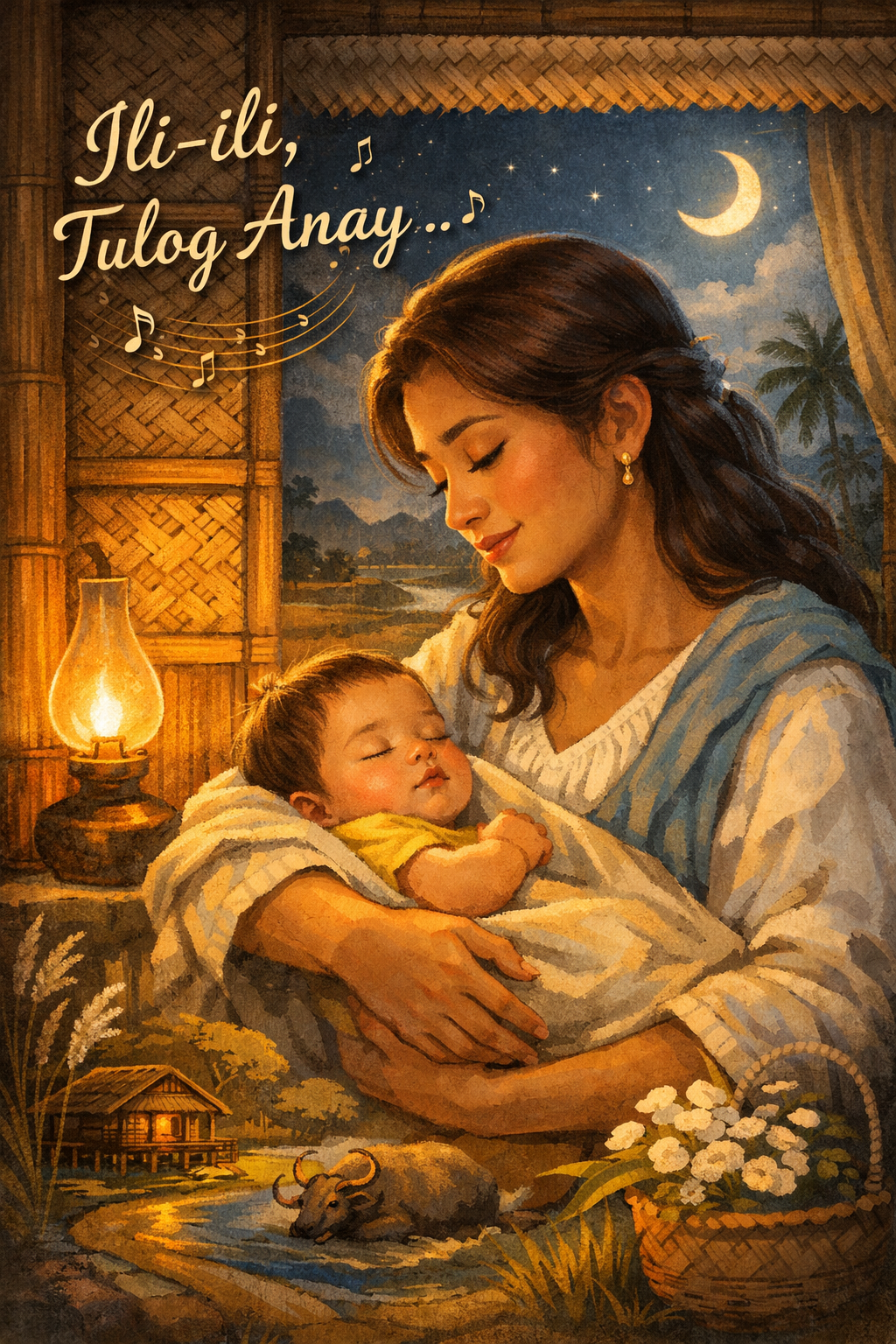
Ili-Ili Tulog Anay (Lyrics)
Ili-ili tulog anay
Wala diri imong nanay
Kadto tienda bakal papay
Ili-ili tulog anayMata kana tabangan mo
Ikarga ang nakompra ko
Kay bug-at man sing putos ko
Tabangan mo ako anayIli-ili tulog anay
Wala diri imong nanay
Kadto tienda bakal papay
Ili-ili tulog anay
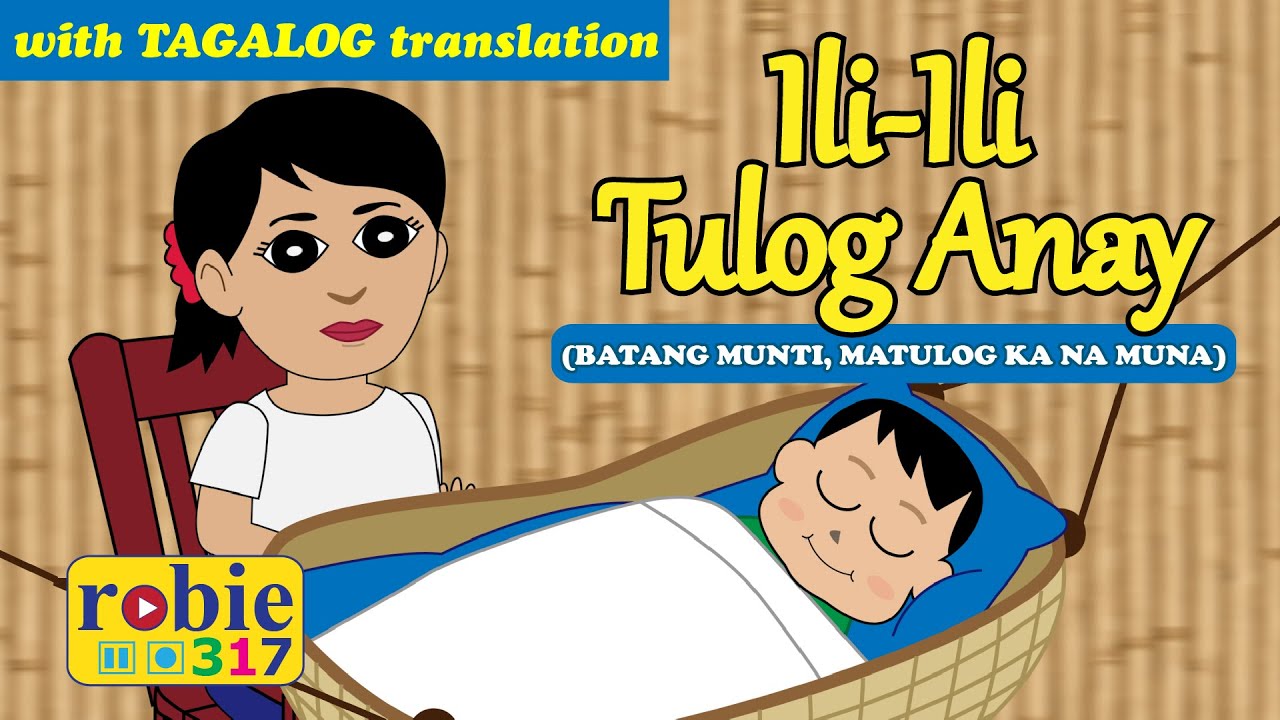
The Ilonggo folk song “Ili‑ili, Tulog Anay” is a traditional lullaby that has long been part of the cultural heritage of Iloilo and other Hiligaynon‑speaking communities. Characterized by its gentle melody and repetitive phrasing, the song is commonly sung by mothers to soothe their children to sleep. As a piece of oral literature, it reflects the nurturing values embedded in Filipino family life and demonstrates how simple language can communicate deep emotional meaning. In the context of literary discourse, the lullaby serves as an example of how cultural identity and human experience are expressed through everyday forms of communication.
From an academic perspective, the song illustrates the function of literature as both an artistic and cultural artifact. Its structure is straightforward, yet its emotional resonance is strong. The repetitive lines create a rhythmic pattern that mirrors the calming motion of a mother rocking her child. This simplicity is not a limitation but a deliberate feature that enhances its purpose: to comfort, reassure, and express affection. The lullaby also highlights the role of oral tradition in preserving cultural values, demonstrating how language can carry history, identity, and emotion across generations.
On a personal level, “Ili‑ili, Tulog Anay” holds significant meaning for me because it is a song my mother used to sing to me when I was a baby. Although I cannot recall the exact moments, the lullaby has become a symbolic reminder of warmth, safety, and maternal love. Hearing it now evokes a sense of familiarity and belonging, as if the melody itself carries the memory of being held and cared for. Through this experience, I learned that literature does not only exist in books or formal texts; it also lives in the songs, stories, and traditions that shape our earliest experiences.
Reflecting on this lullaby allowed me to understand how personal memory and cultural context influence the way we interpret texts. The song’s meaning becomes richer when viewed through both academic analysis and emotional connection. It demonstrates how literary discourse can bridge the gap between intellectual understanding and personal experience. By examining its purpose, tone, and cultural significance, I gained a deeper appreciation for how language can preserve heritage and strengthen identity.
In conclusion, “Ili‑ili, Tulog Anay” is more than a simple lullaby. It is a cultural expression, a form of literary discourse, and a personal symbol of comfort and connection. It represents the quiet yet powerful ways in which traditions are passed down within families. For me, it stands as a reminder of my Ilonggo roots and the love that shaped my earliest years — a lullaby that continues to resonate across time and memory.
A Formal Reaction Paper
By: Mikaela Jasmine Villanueva
Reading and Writing Skills – 2nd Semester
Grade 11 SHS – Homeschool Global - VCIS