Digital Creativity, Media Literacy, and Responsible Technology
Creating, Sharing, and Learning Responsibly
Digital Creativity Hub
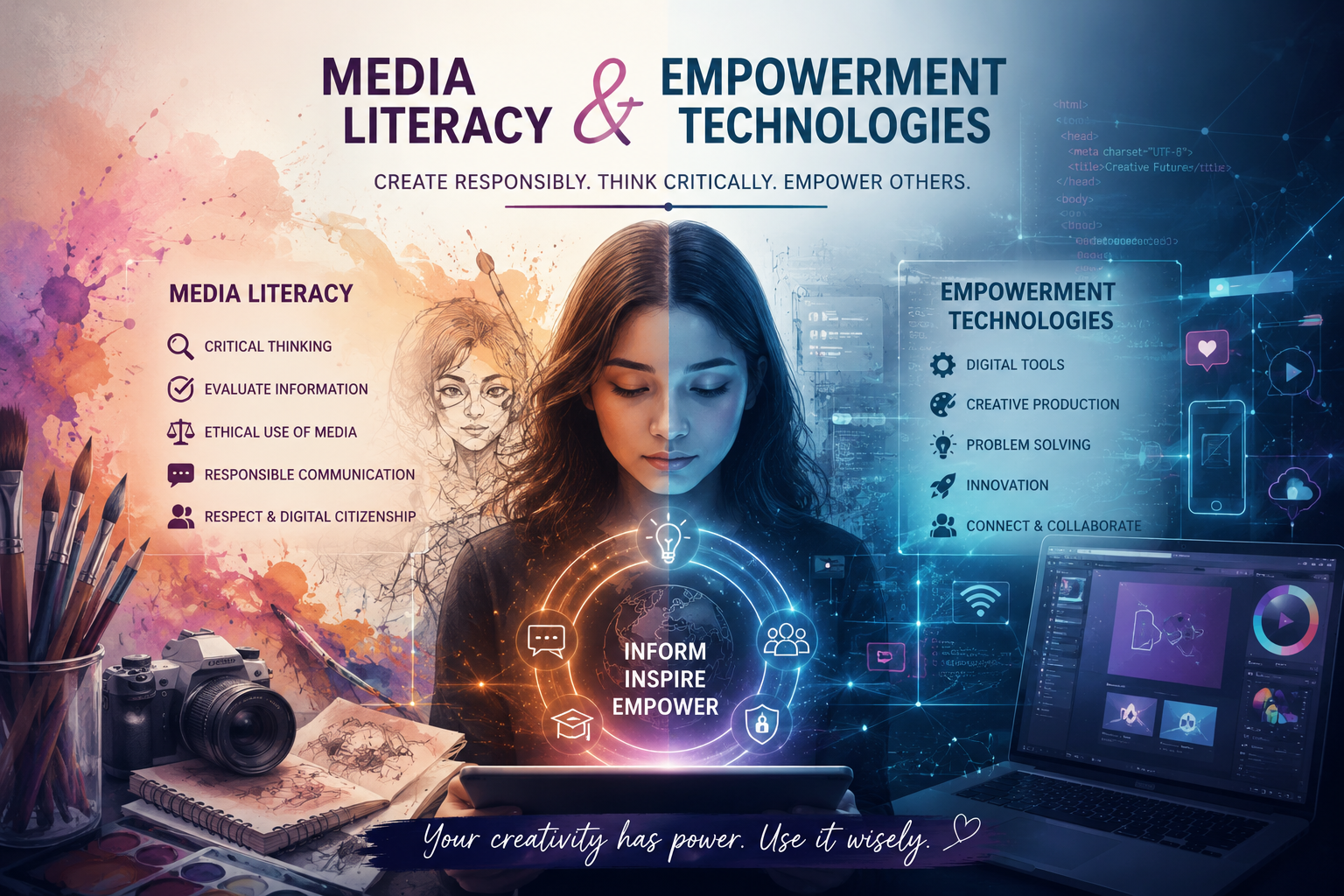
In today's digital world, creativity goes beyond drawing, painting, or designing. Artists, students, and content creators now use technology, social media, websites, multimedia tools, and digital platforms to share ideas and connect with people around the world. Because of this, creativity also comes with responsibility.
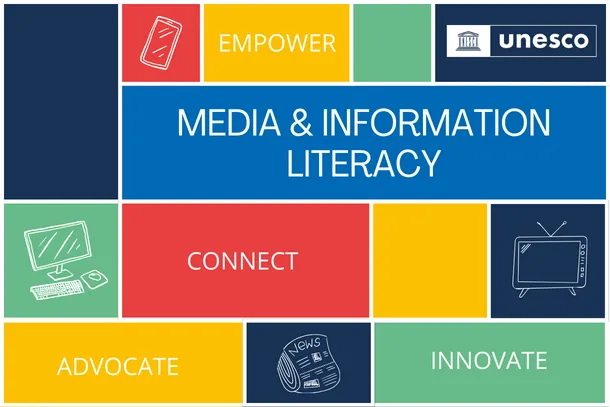
Media and Information Literacy (MIL) helps individuals access, evaluate, analyze, and create information responsibly. According to UNESCO, media literacy empowers people to think critically about information, recognize misinformation, and create content in ethical and meaningful ways. In an age where information spreads quickly through digital platforms, these skills are essential for responsible communication and informed decision-making.
At the same time, Empowerment Technologies focuses on using digital tools, online platforms, multimedia applications, and web technologies to create, communicate, collaborate, and solve problems. Technology allows creators to transform ideas into websites, videos, graphics, interactive applications, and other forms of digital content that can educate, inspire, and engage audiences.
As an Arts and Design student, I believe that creativity should not only be visually appealing but also informative, ethical, and responsible. Through digital projects, multimedia designs, and interactive tools such as Art Grid Pro, I explore how art and technology can work together to promote learning, critical thinking, and positive digital citizenship.
Digital citizenship is the practice of using technology safely, responsibly, and respectfully. It encourages individuals to evaluate information carefully, communicate ethically, respect intellectual property, and contribute positively to online communities. Educational organizations such as Common Sense Education emphasize that digital citizenship helps students make informed choices, think critically, and become responsible digital creators and users.
This page serves as a learning space that combines creativity, media literacy, and technology. It highlights how digital tools can be used not only for artistic expression but also for education, advocacy, communication, and lifelong learning. By understanding both the opportunities and responsibilities that come with technology, creators can use digital media to inform, inspire, and empower others in meaningful ways.
Recommended Resources
• UNESCO Media and Information Literacy
• UNESCO: What is Media Literacy?
• Common Sense Education Digital Citizenship
By Mikaela Jasmine Villanueva
Grade 11 Arts and Design Student
Digital Creativity Hub